Best Construction Camera Setup for Long-Term Timelapse
Choosing the best camera for construction timelapse is about the whole setup — power, weatherproofing, image delivery — not just the model. Here's how.
Part of the series · Long-Term Construction Timelapse GuideConstruction Timelapse for Long-Term Outdoor Projects: The Professional Guide (Months to Years)
Quick answer
There is no single best camera for construction timelapse — the right choice depends on how long the project runs and how the site is managed. GoPros suit shorter or marketing-led projects that need a wide, comprehensive view. FTP-capable IP cameras are best for long-term monitoring on permanent power. DSLR and mirrorless cameras give the highest image quality but need the most supporting infrastructure. In every case, power, weather protection, automatic image delivery and remote oversight matter more than the camera model alone.
When companies search for the best camera for construction timelapse, they often begin by comparing camera models. In real long-term projects, that is only part of the decision. For construction timelapse lasting several months or years, the camera matters, but the full setup matters more: power, weather protection, image delivery, remote oversight, and access to the archive.
That is why the best construction timelapse camera is rarely defined by image quality alone. A camera can produce excellent images and still be the wrong choice if the workflow around it is not built for unattended operation. If you want to go deeper into the monitoring side of long-term deployments, read our guide to remote timelapse monitoring for long-term construction projects. On active construction sites, silent failure is the biggest risk. A system stops capturing, loses power, or stops uploading, and nobody notices until important phases of the project are already missing.
There is also another factor that needs to be considered early: hardware setup cost. In construction timelapse, the cheapest-looking option is not always the best value, but neither is the most expensive one automatically the right choice. Different setup types require different amounts of hardware around the camera itself. That changes the actual investment needed to make the system suitable for long-term unattended deployment.
In practice, professional construction timelapse is based on three main setup types: GoPro-based systems, IP camera-based systems, and DSLR or mirrorless-based systems. Each can play a role. The real question is not which camera looks best in isolation, but which setup delivers the right balance of reliability, deployment speed, image quality, and hardware cost for the project.
This article explains what actually matters when selecting the best camera for construction timelapse and why long-term success depends on choosing the right setup rather than focusing on the camera alone.
For the broader framework behind reliable long-term outdoor capture, system design, and risk management, read our guide to construction timelapse for long-term outdoor projects.
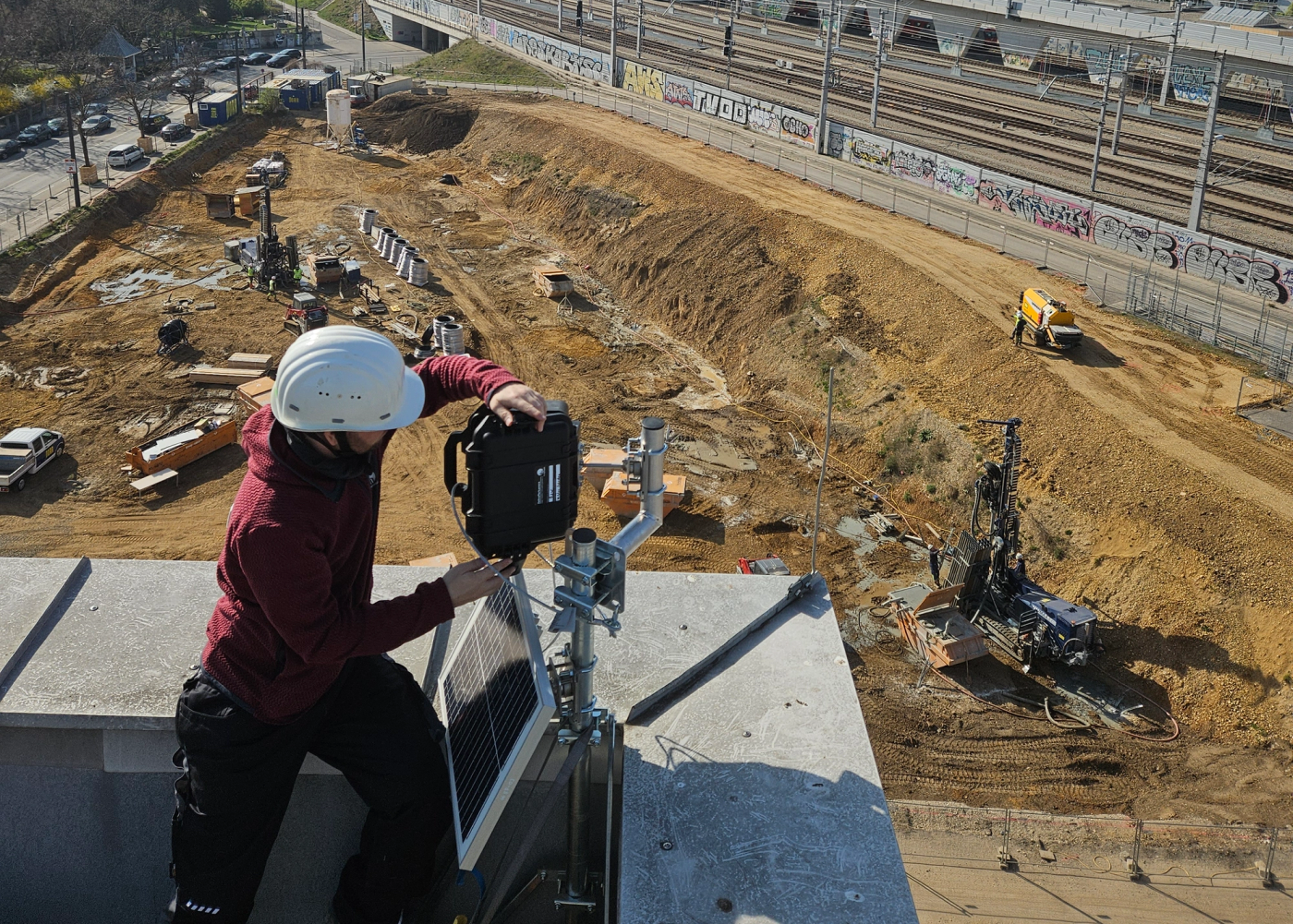
What makes a camera setup suitable for long-term construction timelapse
A suitable construction timelapse setup must do more than capture still images at intervals. It must continue doing so reliably through weather changes, shifting site conditions, restricted access, and months of unattended operation. In other words, a professional setup must be designed for continuity.
That is the key difference between ordinary timelapse photography and long-term construction documentation. In short-term creative work, a team may be present to observe the camera, swap batteries, check framing, or troubleshoot quickly. On a construction site, that is often not realistic. The system may need to run with minimal intervention and still provide assurance that everything is working.
A dependable setup therefore needs five core capabilities. It must capture images consistently. It must have stable long-term power. It must protect the hardware against the site environment. It must deliver images to an online system where recent uploads can be verified and historical images can be accessed. And it must do all of this at a hardware cost level that makes sense for the value of the project.
This last point is important. A setup should not be judged by camera price alone. The relevant question is what hardware is required to turn that camera category into a viable long-term construction timelapse solution. Some camera types appear affordable at first, but need more supporting equipment before they become field-ready. Others have a higher entry cost but come with more of the necessary capabilities already built in.
That is why camera selection should always be evaluated in context. The best construction monitoring camera is not simply the one with the strongest technical specifications. It is the one that works best as part of a complete, monitored, field-ready workflow at the right investment level.
Key requirements: reliability, power, weather resistance, remote access
Reliability
Reliability is the first requirement because construction timelapse is cumulative. For a deeper look at the real-world failure modes behind that reliability requirement, read Construction Timelapse Problems: How to Avoid Failure in Long-Term Projects. Missing a critical phase is usually far more damaging than accepting slightly lower image quality. A few days of downtime during façade installation, concrete work, steel erection, or handover preparation can reduce the value of the entire visual record.
Reliability in this context does not just mean that a camera can take pictures. It means that the overall setup continues to operate predictably over time. That includes stable interval capture, consistent restarts after power interruptions, and a workflow that makes problems visible early.
From a cost perspective, reliability also affects the hardware decision. A setup that requires too many add-ons before it becomes dependable may no longer be the low-cost option it first appeared to be.
Power
Long-term timelapse depends heavily on power design. Many projects underestimate this because they assume that having an outlet nearby is enough. In reality, the full power chain matters: cable routing, weatherproofing, socket ownership, voltage stability, and how the system behaves after interruptions.
This requirement applies to every setup type. A GoPro-based system, an IP camera, and a DSLR installation all depend on stable power if they are expected to run for months. The difference lies in how naturally each category fits into a permanent power and connectivity workflow, and how much supporting hardware is needed to get there.
For a deeper look at mains power, battery backup, solar limitations, and redundancy, see our guide to timelapse camera power supply for long-term construction projects.
Weather resistance
Outdoor construction projects expose equipment to rain, heat, wind, dust, and accidental contact. A professional setup must account for the entire installed system, not just the camera body. Housing, connectors, cable entry points, lens openings, and mounting hardware all affect long-term reliability. If you want a dedicated deep dive into the physical setup side of long-term outdoor deployment, see our guide to outdoor timelapse camera setups.
This also influences cost. A camera body with strong specifications may still require substantial enclosure and mounting hardware before it becomes suitable for real site use.
Remote access
Remote access is what turns capture into a manageable long-term process. If teams can see that fresh images are still arriving, they can respond quickly when something changes. If images remain only on local storage until someone visits the site, the project is operating blind.
That is why modern long-term construction timelapse should be based on a workflow where images are delivered online, checked for continuity, and stored in an archive that remains accessible throughout the project.
What camera types are used for construction timelapse?
The camera categories most commonly used in construction timelapse are GoPro and other action cameras, IP cameras, and DSLR or mirrorless systems.
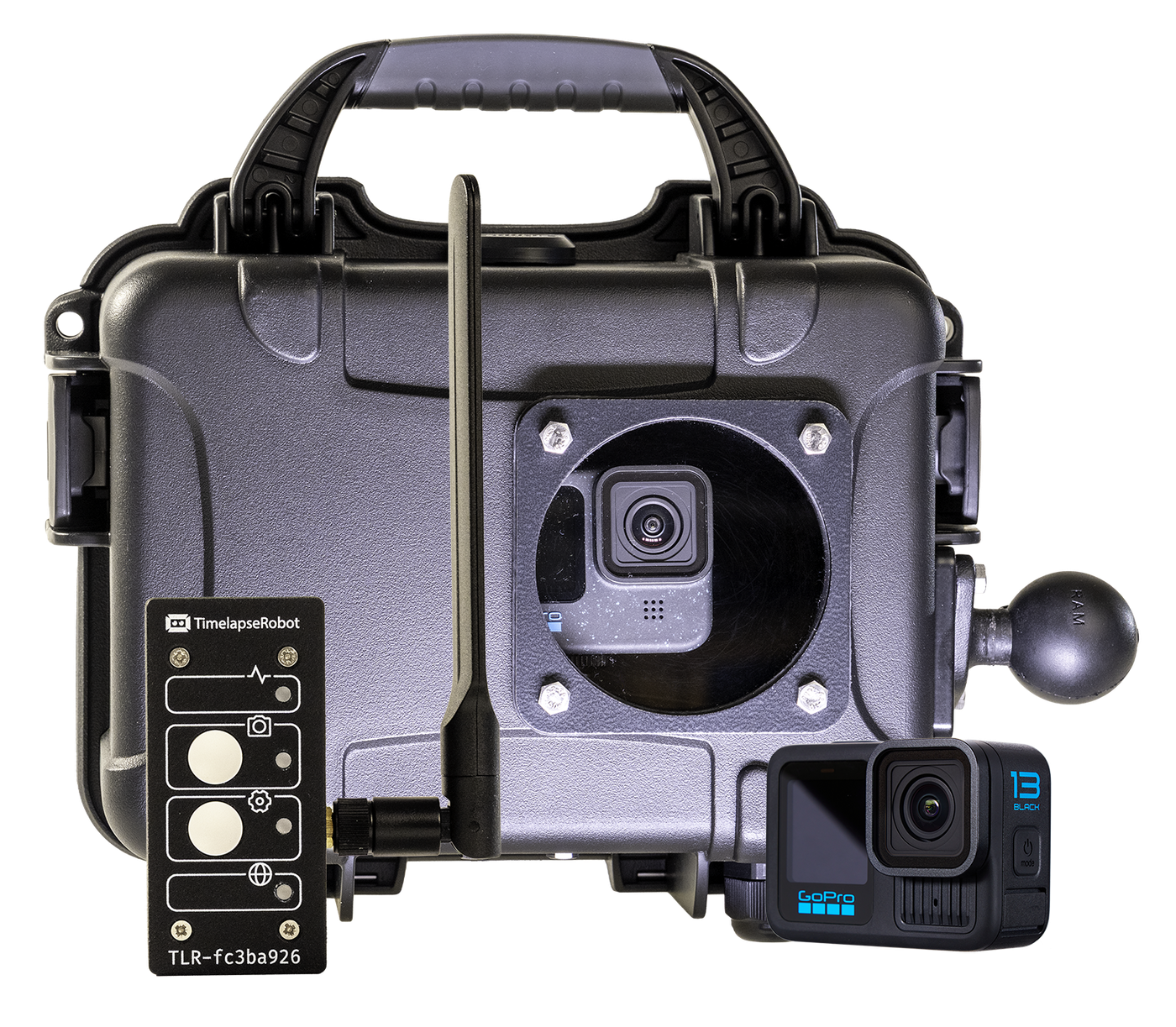
GoPro-based setups are widely used because they are compact, flexible, easy to mount, and capable of producing strong-looking wide-angle images. They are especially attractive when a project needs fast deployment, adaptable positioning, and a proven camera platform that can be integrated into a professional long-term workflow. In terms of hardware cost, they usually sit in the mid-range: more than a basic IP camera in some cases once the full setup is included, but generally well below DSLR-based systems.
IP camera-based setups are popular in monitoring-oriented deployments. They are often designed for permanent installation and network-based operation, which makes them a natural fit for fixed viewpoints and structured upload workflows. They are often the most cost-efficient hardware foundation for long-term fixed-position documentation because many required functions are already part of the device category.
DSLR and mirrorless setups are used when maximum image quality and lens flexibility are required. They are common in premium visual productions, but they usually involve more complex installation and operating requirements. They are typically the highest-cost hardware option, especially once housing, power accessories, and deployment components are included.
The practical decision is not which category is “best” in the abstract. It is which setup architecture fits the project’s operational priorities and hardware budget.
GoPro for construction timelapse: strengths and limitations
GoPro-based systems are a strong option for construction timelapse when they are deployed as professional setups rather than treated as standalone consumer workflows.
Their strengths are clear. They are compact, easy to mount, and well suited to difficult or constrained installation positions. They deliver strong image quality for many commercial use cases, especially when a wide field of view is useful. They are also familiar to many users, which can simplify deployment and replacement planning. From a practical perspective, they offer an attractive balance between image quality, size, and installation flexibility.
This makes them especially relevant for long-term construction timelapse where teams want a visually stronger result than a typical security camera may provide, but still need a system that can be deployed efficiently in the field.
Cost is an important part of their appeal. A GoPro-based setup is usually more affordable than a DSLR or mirrorless setup while still delivering a clearly more polished visual result than many monitoring-oriented cameras. That makes it a strong middle-ground option for projects that want professional-looking output without moving into the highest hardware budget tier.
The important distinction is that a GoPro used professionally for long-term construction timelapse should not be understood as “just a camera with a timelapse mode.” The value comes from the full setup around it: stable external power, weather-protected installation, image transfer to the cloud, remote visibility into current uploads, and access to the full archive.
For a detailed breakdown of how a GoPro-based long-term setup is built in practice, see our GoPro construction timelapse long-term setup guide.
With that surrounding infrastructure in place, a GoPro-based setup becomes a credible and highly practical solution for long-term projects. Without it, the same camera would be relying too heavily on local-only recording and manual checking, which is not ideal for unattended operation over months or years.
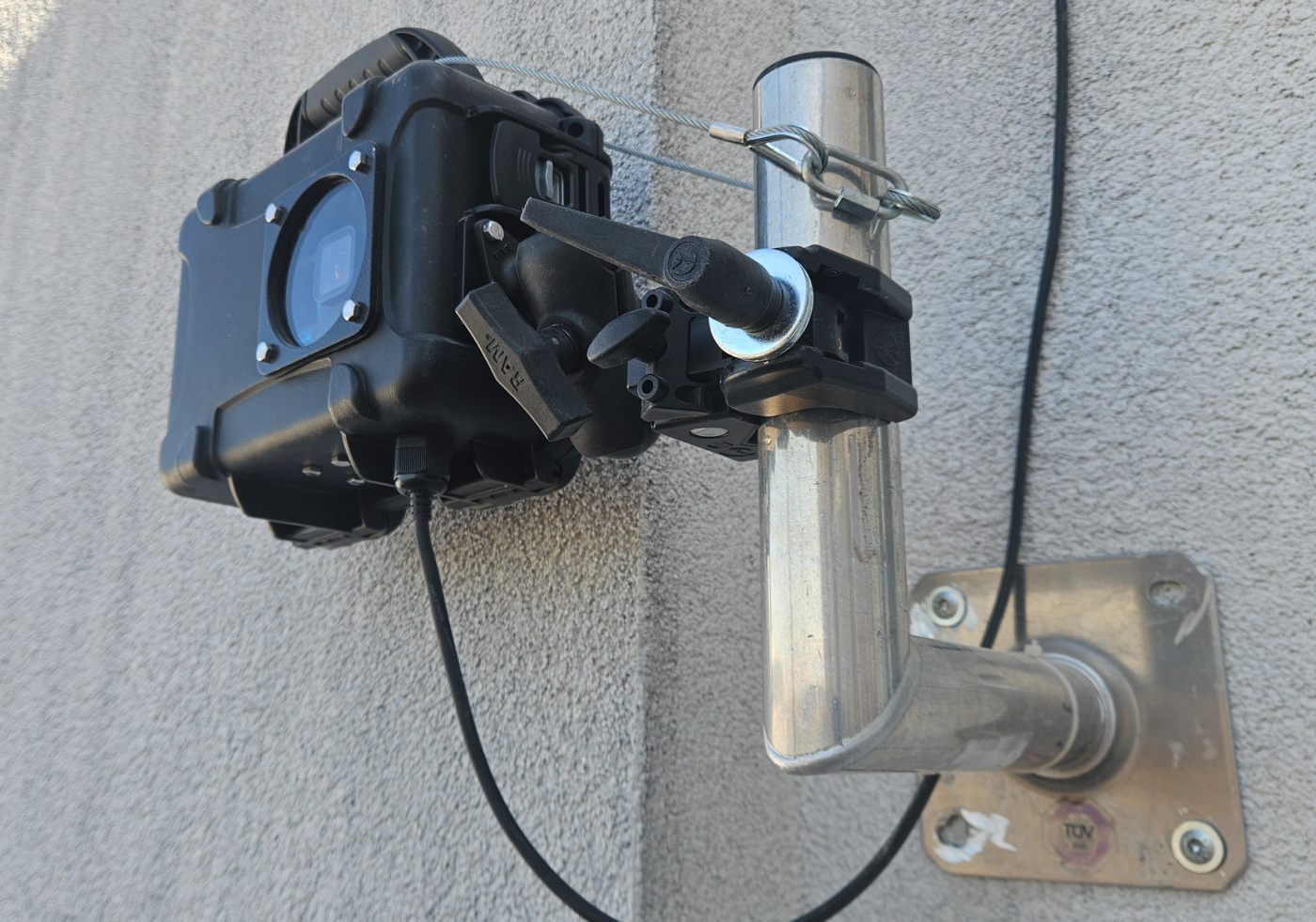
IP cameras for construction timelapse: strengths and limitations
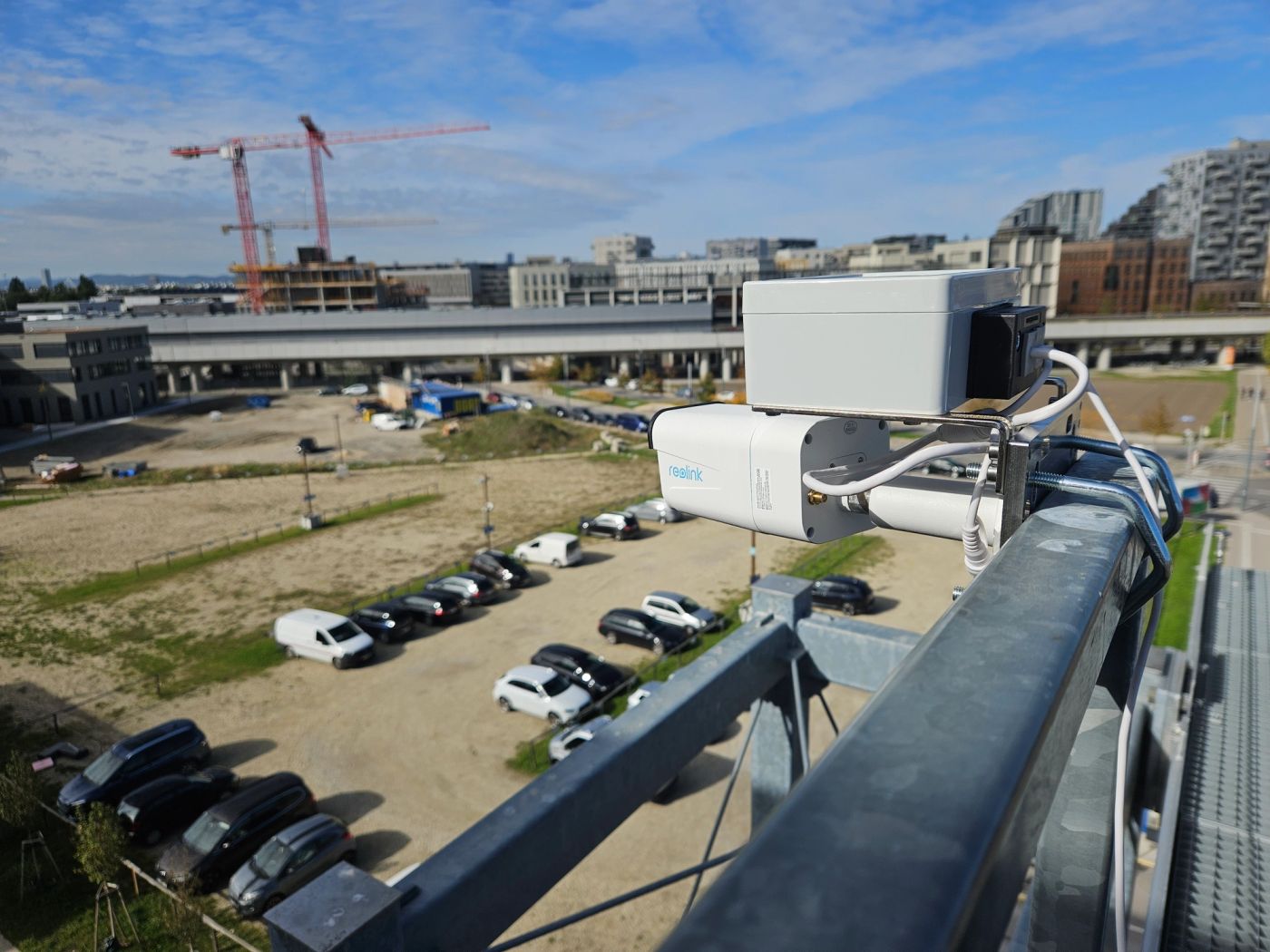
IP camera-based systems are also highly relevant in long-term construction documentation. Their main strength is that many of the hardware functions needed for fixed operation are already built into the device category. They are often designed for permanent installation, continuous power, and network connectivity.
This makes ip camera timelapse especially attractive for projects where the priority is structured, continuous site monitoring from a stable viewpoint. For a deeper look at what makes a fixed network camera a strong fit, read our guide to best IP camera construction monitoring.
Snapshot intervals
IP cameras commonly support scheduled still-image capture rather than relying on closed video timelapse generation. This is useful because individual images are easier to transfer, verify, and archive over long periods.
FTP image upload workflows
Many IP cameras can send images directly to a server using FTP or similar methods. For a more detailed look at how camera FTP upload workflows actually work in long-term projects, including image organization, monitoring, and processing after the upload, read our guide to camera FTP upload for long-term projects. That gives them a natural advantage in upload-based workflows. But even here, the camera hardware is only part of the solution. The receiving side still matters. Images should be stored online, checked for ongoing delivery, and organized into an accessible archive.
Permanent installation advantages
IP cameras are often easier to integrate into fixed infrastructure. For permanent viewpoints, this can be a major advantage. They also tend to be the most economical setup category from a hardware perspective, because fewer extra components are usually needed before they become viable for long-term connected deployment.
Their limitations are usually not operational but visual. Compared with a GoPro-based or DSLR-based setup, they may deliver a more utilitarian image aesthetic and less creative flexibility. For some projects, that is perfectly acceptable. For others, especially where the timelapse is also a marketing asset, the visual character of the camera matters more, and that is where GoPro-based systems can justify the higher setup cost.
If you want to see a practical example, read our step-by-step guide on how to connect a Reolink camera to TimelapseRobot.
If you want to see the workflow in practice, read our guide on how to turn an IP camera into a construction timelapse system, including a step-by-step Reolink example.
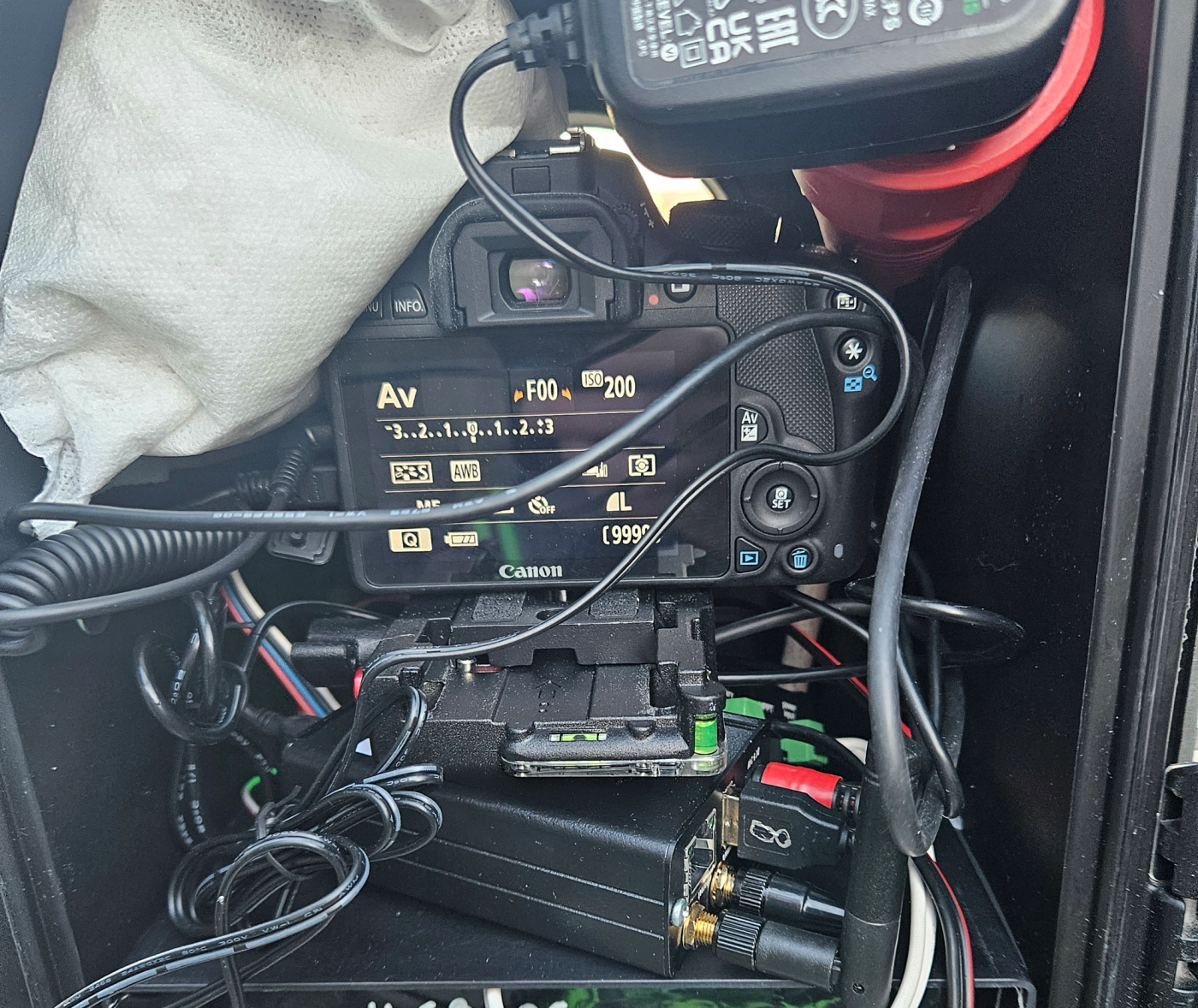
DSLR and mirrorless cameras: when they are used and why they require the most supporting infrastructure
DSLR and mirrorless cameras deliver the highest image quality and the greatest lens flexibility. They are the premium option when the final output needs a more cinematic look, tighter lens control, or maximum sensor performance.
That makes them a valid choice for selected commercial projects, especially when a professional photographer or media team is closely involved and the project justifies the added complexity.
At the same time, DSLR and mirrorless systems usually require the most supporting infrastructure to function well in long-term unattended construction timelapse. They need reliable power, weather protection, image transfer, remote monitoring, and a service model that accounts for their higher operational complexity.
This is also where cost becomes decisive. DSLR and mirrorless setups are not only the highest-cost camera bodies. They are usually also the highest-cost full hardware setups. Once enclosure quality, mounting, lens choice, power accessories, and deployment requirements are considered, they move clearly above the other categories in most projects.
In many real projects, this means that DSLR or mirrorless setups are chosen only when premium visual priorities are strong enough to justify that extra investment. For many long-term construction use cases, the additional cost does not create enough practical benefit compared with a well-integrated GoPro-based or IP-based setup.
Comparison table: setup types in real construction use
| Setup type | Image quality | Typical hardware setup cost | Installation flexibility | Long-term hardware practicality | Best fit |
|---|---|---|---|---|---|
| GoPro-based setup | Good to very good | Moderate | High | High when professionally integrated | Long-term construction timelapse that needs both strong visuals and practical deployment |
| IP camera-based setup | Moderate to good | Low to moderate | Moderate | High | Fixed-position long-term monitoring and documentation |
| DSLR / mirrorless-based setup | Excellent | High | Moderate | Moderate to low without extensive support | Premium visual productions with higher hardware budgets |
This comparison reflects real deployment logic rather than isolated camera specifications. If your shortlist is specifically down to IP cameras and GoPro-based systems, see our practical long-term comparison of those two approaches. In practice, all three categories can work, but they serve different priorities and different budget levels.
Choosing the right camera depending on project type
Short-term marketing vs long-term monitoring
If a project is primarily about polished marketing content and the team can support a more managed workflow, GoPro-based and DSLR-based setups can both be appropriate depending on the desired visual level and available budget.
If the project is more focused on long-term progress documentation, remote site visibility, and operational continuity from a fixed viewpoint, IP camera-based systems are often attractive because they provide a lower-cost hardware path into a connected monitoring workflow.
For many commercial construction timelapse projects, GoPro-based systems sit in a particularly useful middle ground. They offer stronger image aesthetics than a typical monitoring camera while remaining much more accessible in setup cost than DSLR or mirrorless solutions.
Temporary vs permanent installations
Temporary installations often benefit from speed and flexibility. This is one reason GoPro-based setups are so widely used: they can be deployed efficiently and positioned creatively while still supporting long-term documentation when paired with the right infrastructure.
Permanent installations with highly stable viewpoints often suit IP cameras well, particularly when hardware efficiency and fixed-position reliability are the main priorities. DSLR and mirrorless systems are generally chosen only when image quality requirements are high enough to justify the extra hardware cost.
Why isn't the camera alone enough for construction timelapse?
The camera alone is never the full solution.
A professional construction timelapse setup must combine the camera with a dependable operational workflow. That includes stable power, weather-protected installation, online image delivery, automated checks that uploads are still happening, and an archive that remains accessible at any time.
This is true for GoPro-based systems, IP camera-based systems, and DSLR-based systems alike. The difference is not whether they need a workflow. The difference is how that workflow is built, what image quality it supports, and how much hardware investment is needed to get there.
For buyers evaluating the best camera for construction timelapse, this is the real decision framework. If you want a practical budgeting framework for those setup choices, read our guide to construction timelapse costs and what companies should really budget for. The right choice depends on how much they value image aesthetics, installation flexibility, permanent infrastructure alignment, and hardware budget.
Summary: what actually matters in real-world construction timelapse deployments
The best camera for construction timelapse is the one that works best as part of a complete long-term setup. After choosing the right camera category, the next step is designing the complete construction monitoring camera timelapse workflow.
GoPro-based systems are a strong option when the goal is to combine practical deployment with strong visual output at a moderate hardware cost. They are especially compelling when supported by the right infrastructure for cloud upload, remote monitoring, and archive access.
IP camera-based systems are an excellent choice for permanent fixed-position monitoring, particularly when hardware efficiency and built-in network functions are priorities. In many cases, they provide the most economical route to long-term connected construction documentation.
DSLR and mirrorless systems remain the premium option for image quality, but they are usually the most demanding in terms of hardware investment, installation, protection, and long-term support.
In real-world construction projects, the best decision is rarely made by looking at camera specifications alone. What matters most is whether the setup can keep capturing, keep uploading, and keep the project team informed at a hardware cost level that matches the project’s real needs. That is what turns a camera into a reliable construction timelapse system.
Frequently asked questions
- Is a GoPro reliable enough for a construction timelapse that runs for years?
- Yes, provided it is deployed as a professional setup rather than a standalone consumer camera. That means stable external power, a weather-protected installation, automatic image transfer to the cloud, remote visibility into current uploads and access to the full archive. With that infrastructure in place, a GoPro-based system is a credible long-term solution; without it, it relies too heavily on local recording and manual checks.
- Which camera setup is the cheapest for long-term construction documentation?
- IP camera-based setups are usually the most economical hardware foundation for fixed-position long-term documentation, because functions like permanent installation, continuous power operation and network connectivity are already built into the device category. GoPro-based systems sit in the mid-range, while DSLR and mirrorless setups are typically the most expensive once housing, power accessories and mounting are included.
- When is a DSLR or mirrorless camera worth it for construction timelapse?
- Only when premium visual requirements justify the extra investment, for example a cinematic look, tight lens control or maximum sensor performance, usually with a photographer or media team closely involved. DSLR and mirrorless systems deliver the highest image quality but need the most supporting infrastructure and are the highest-cost full setups. For many long-term construction projects, a well-integrated GoPro or IP camera setup offers better practical value.
- What happens if a construction timelapse camera fails without anyone noticing?
- Silent failure is the biggest risk on active construction sites. A system can stop capturing, lose power or stop uploading, and nobody notices until important project phases are already missing. Even a few days of downtime during facade installation, concrete work or steel erection can reduce the value of the entire visual record, which is why online image delivery and upload checks matter so much.
- Are IP cameras good enough in image quality for construction timelapse?
- For fixed-position monitoring and progress documentation, yes. Their limitations are usually visual rather than operational: compared with GoPro- or DSLR-based setups they deliver a more utilitarian image aesthetic and less creative flexibility. For many projects that is perfectly acceptable. If the timelapse is also meant to serve as a marketing asset, a GoPro-based system can justify its higher setup cost.
- What should I check besides the camera before buying a timelapse setup?
- Evaluate the complete system: stable long-term power including cable routing and behaviour after interruptions, weather protection for the whole installation including connectors and cable entries, automatic delivery of images to an online archive, remote checks that uploads are still arriving, and the total hardware cost needed to make the camera category field-ready. A dependable setup needs all of these, not just strong camera specifications.
Planning a long-term construction timelapse?
Discover the system built for multi-month and multi-year construction deployments.
Explore the Construction Timelapse System
